🍄 Introduction
Cooking with wild ingredients is an adventure that combines nature, creativity, and flavor.
There’s something incredibly satisfying about stepping into the forest, finding edible plants or mushrooms, and turning them into a beautiful meal.
But before you start, you need to understand how to forage safely and cook wisely — because not everything green or wild is good for your plate.
🌲 Step 1: Learn the Basics of Foraging
Before picking anything, learn to identify edible vs. toxic plants.
Start with safe, common wild foods like:
- Dandelion leaves – slightly bitter but great in salads.
- Wild garlic – adds rich aroma and taste.
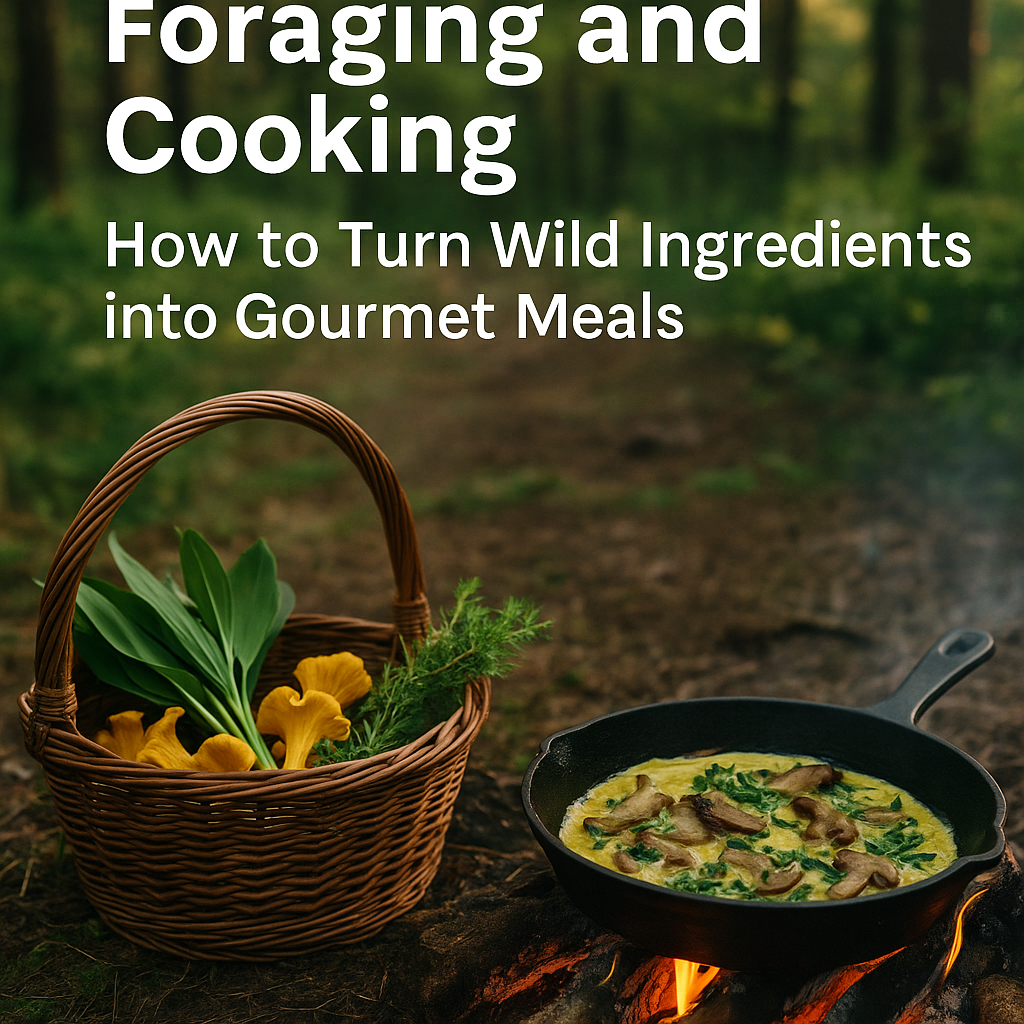
- Chanterelle mushrooms – bright yellow and delicious when sautéed.
- Nettles – full of vitamins once boiled.
🔥 Pro Tip: Always carry a small field guide or use a plant ID app for safety.
🪵 Step 2: Harvest with Respect
Take only what you need and leave enough for nature to regenerate.
Avoid areas near roads or polluted water sources.
Sustainable foraging ensures you can enjoy wild foods without harming the environment.
🍳 Step 3: Cooking Wild Ingredients
Cooking wild foods is about enhancing, not overpowering, their natural flavors.
Here are a few simple ideas:
- Wild Garlic Pesto: Blend wild garlic, olive oil, and nuts — perfect on pasta.
- Forest Omelette: Mix wild mushrooms and herbs with fresh eggs.
- Dandelion Salad: Toss with olive oil, salt, and lemon juice.
- Nettle Soup: Boil young nettles with potatoes and garlic — rich and earthy.
Each dish tells a story — one that starts in the forest and ends on your plate.
🌿 Step 4: Safety Rules to Remember
- Never eat a plant or mushroom unless you’re 100% sure it’s edible.
- Cook wild mushrooms thoroughly to remove toxins.
- Wash all ingredients with clean water.
- Avoid over-harvesting from the same area.
Being cautious ensures your foraging experience stays healthy and fun.
🌄 Conclusion
Foraging and cooking with wild ingredients reconnects you with nature in a deep, authentic way.
Every bite carries the essence of the earth — fresh, wild, and alive.
So next time you’re in the woods, look closer. Nature’s pantry might surprise you.
❓ FAQ Section
🔸 Is foraging legal everywhere?
It depends on your location. Many public lands allow it, but always check local laws and respect private property.
🔸 How can I identify edible wild plants?
Use a field guide or mobile app, and learn from experienced foragers before eating anything wild.
🔸 Can wild mushrooms be eaten raw?
Most shouldn’t. Cooking removes natural toxins and enhances their flavor.
🔸 What tools should I bring when foraging?
A basket, a small knife, gloves, and a plant identification guide are essential.
🧠 SEO Keywords:
wild ingredients cooking, foraging guide, edible plants, wild mushrooms, forest cooking, cooking with wild herbs, sustainable foraging, outdoor gourmet food, nature-based recipes